Written at a kitchen table in Loma Linda, California The Loma Linda Way · First Edition
The Loma Linda Way Get the Book · $37
Ruth Pemberton · First Edition
From Ruth’s California Kitchen

Nobody in this town was trying to live longer. They were trying to eat well on very little.

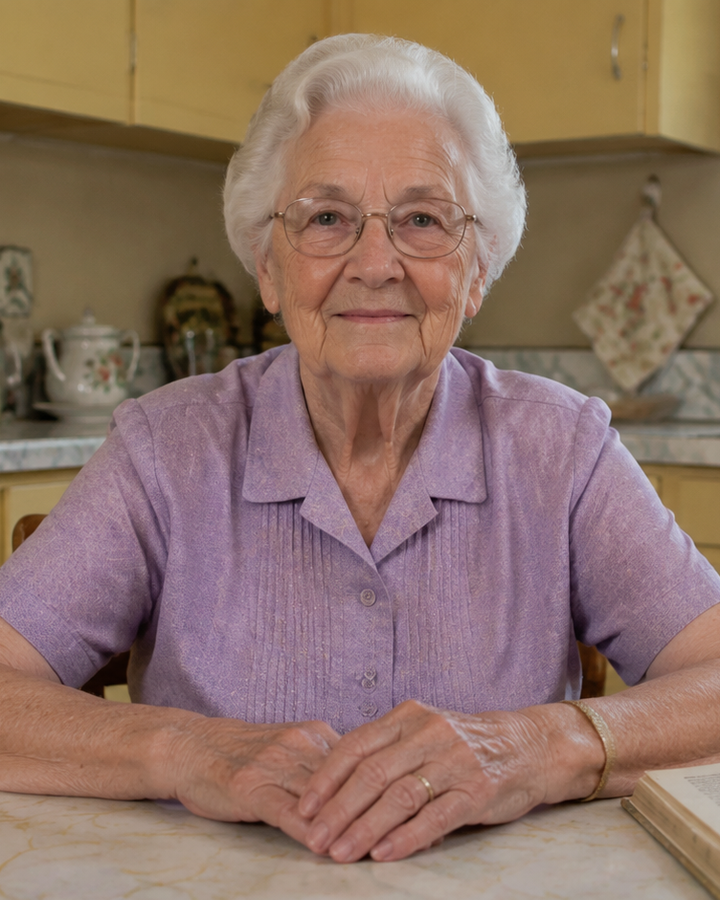
I am Ruth Pemberton. I have lived in Loma Linda, California since I was a girl, in a town that has been cooking without meat since long before anybody called that a movement. I make no claim about your health. What I have is one hundred and eighty entries on the pantry, the tinned oddities, the community cookbook, the potluck table and a back garden that never stops.

“We were never poor at the table. We simply owned less of everything else, and threw almost nothing away.”

No page in this book claims to add a single day to your life.

$37 · PDF and EPUB · read on any device · 7-day refund

The Loma Linda Way
— Food, Family, and the Everyday Rhythm of an American Table
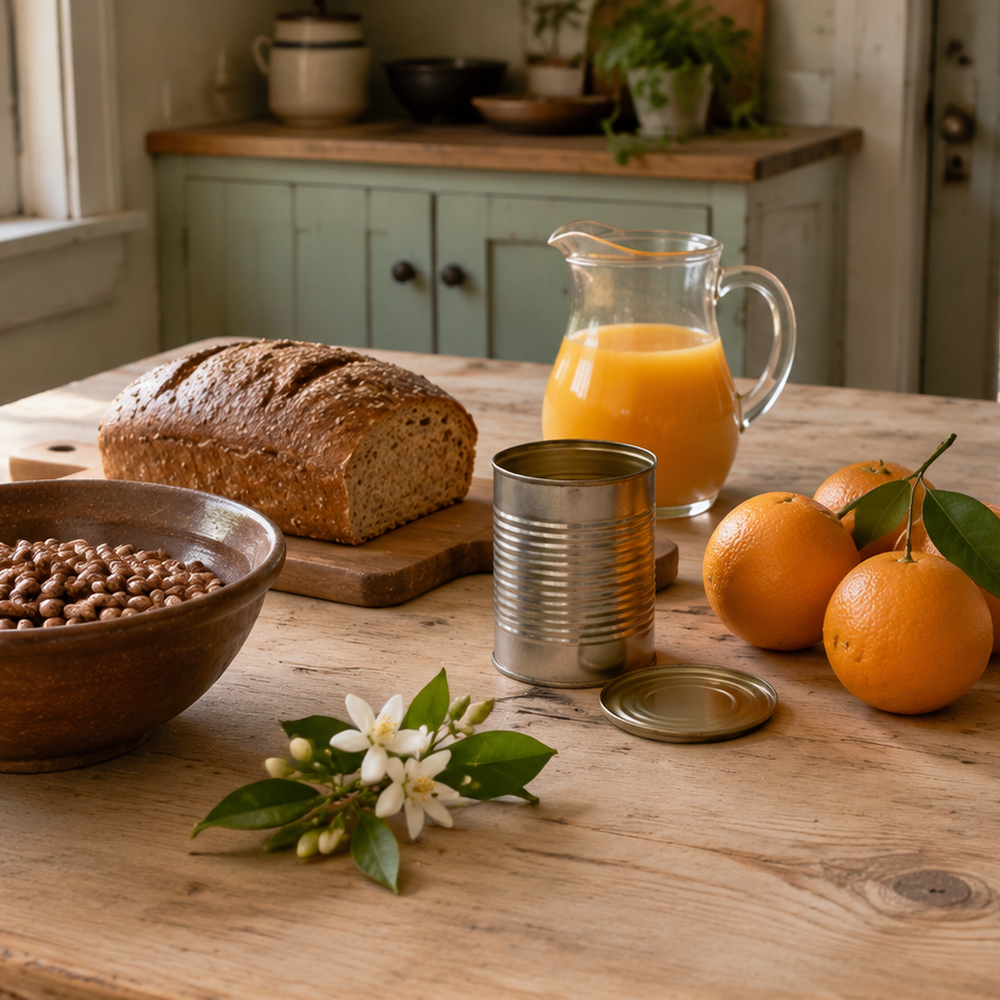
The Loma Linda Way, cover photograph
Ruth’s California Kitchen
PDF + EPUB Any device · print at home
199 pages · 180 entries · 12 chapters
01 · What this book is not

Everyone who has heard of this town expects the same four things. This book gives none of them.

Below is exactly what people usually come looking for, and what they get instead. I would rather lose the sale than promise you the column on the left.

The note in the margin is which chapters you get instead, and how many entries are in them. Nothing on this page is a promise about your health, your weight or how long you will live. I am not able to make that promise, and I am not going to pretend otherwise.

$37. Once. The back garden runs all twelve months either way.

Get the Book

$37 once · emailed instantly · PDF and EPUB

What you get
instead ↓
What people usually come looking for
— and what this book gives instead —
A food or two that add years to your lifeThe claim behind most books like thisNo such food existsThe real meals a Loma Linda household actually lived onChapters 1–4 · 60 entries
A strict diet or eating plan to followUsually sold alongside the claimNo plan was ever followedA whole year of growing and gathering it yourselfChapters 5–6 · 30 entries
One secret ingredient nobody else knowsThe usual hookThere was never just oneFamily, village and the daily rhythm, in fullChapters 7–9 · 45 entries
A doctor explaining the scienceHow these claims get their authorityRuth is not a doctorHer own belief, always named plainly as beliefEvery chapter, marked as opinion
The words “Blue Zone” on the coverA trademark, not a factSomeone else’s brand nameThe real place, and what actually happened thereChapters 10–12 · 45 entries

Twelve chapters, and not one of them makes the promise on the left.

This book makes no claim about your health, your weight or how long you will live. It describes one household’s way of life in one place. What you take from it is yours to decide.

02 · What’s inside

12 chapters, 180 entries, 199 pages.

Every entry is one page. The old way, in her own words. Then how you might bring a little of it into your own home today. Then one line worth remembering, and a photograph, because a description of an old pantry is worth far less than a picture of one.

You do not need to read it start to finish. Most people open it wherever their own life needs it that week.

01

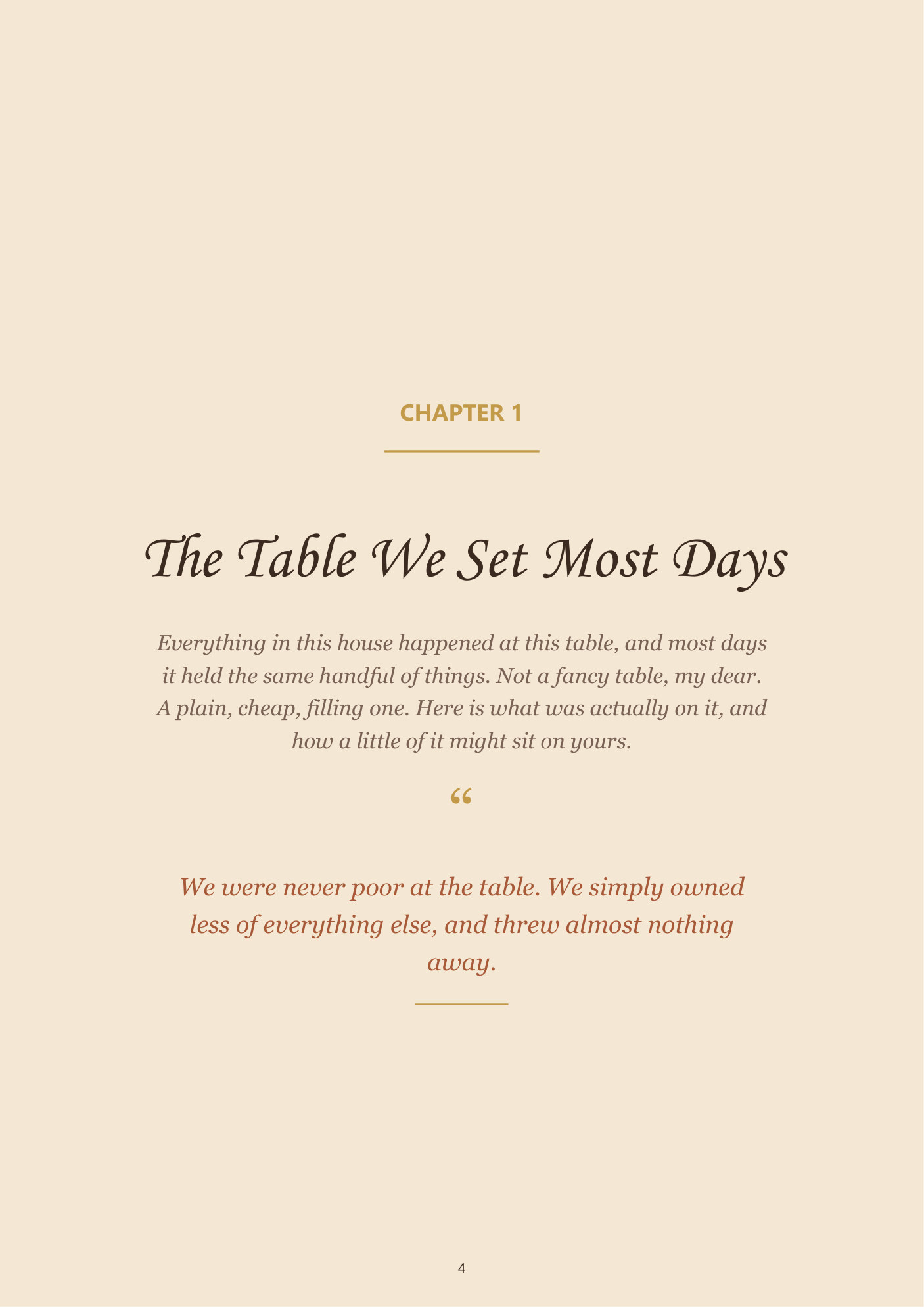
The Table We Set Most Days

15 entries
  1. The Bean Pot That Started on Sunday Night
  2. Lentil Loaf, the Weeknight Roast
  3. Creamed Peas on Toast
  4. Cottage Cheese, the Everyday Standby
  5. Milk Gravy and the Cast-Iron Skillet
  6. The Vegetable Plate Supper
  7. Cornbread Baked in the Skillet
  8. Baked Macaroni and Cheese
  9. The Salad Bowl and the Shaker Jar of Dressing
  10. Split Pea Soup, Thick Enough to Stand a Spoon
  11. Whole Wheat Bread, Two Loaves at a Time
  12. The Rice Casserole
  13. Scalloped Potatoes, the Dish That Fed Eight
  14. Sunday Dinner, Cooked on Saturday
  15. The Extra Chair at Our Table
02

What Came Out of Battle Creek

15 entries
  1. Granola, Before It Meant a Bar
  2. The Flaked Grain Accident of 1894
  3. Corn Flakes and the Falling-Out
  4. Ruskets, the Pressed Wheat Biscuit
  5. Zwieback, the Bread Baked Twice
  6. The Hot Cereal Pot
  7. Cracked Wheat and the Double Boiler
  8. Shredded Wheat and the Bowl of Hot Milk
  9. The Long-Chewed Cereal
  10. Peanut Butter, Also From the Sanitarium
  11. Wheat Germ in the Icebox
  12. The Bran Muffin
  13. Cornmeal Mush, Sliced and Fried
  14. Dates and Raisins on the Cereal
  15. The Breakfast That Was the Big Meal
03

The Tins and the Gluten Steaks

15 entries
  1. Wheat Gluten, Washed Out at the Sink
  2. Gluten Steaks in Their Broth
  3. Protose, the First of Them
  4. Nuttolene, Smooth and Pale
  5. Nuteena, the Peanut Loaf I Still Miss
  6. Vege-Burger and the Skillet Patty
  7. Big Franks, and What a Case Cost
  8. Choplets and the Breaded Cutlet
  9. FriChik and Its Good Broth
  10. Little Links in the Casserole
  11. The Soy Milk Powder and the Blender
  12. The Nut Loaf, Made From Scratch
  13. The Dry Granules in the Jar
  14. Peanut Butter in the Savoury Pot
  15. Buying by the Case at the Health Food Store
04

Sweets, Fruit and the Cup That Was Not Coffee

15 entries
  1. Postum, the Cup at Six in the Morning
  2. The Barley and Chicory Brews
  3. Carob, Which Was Not Chocolate
  4. Date Bars
  5. Applesauce Cake
  6. The Fruit Plate as Dessert
  7. Orange Juice, Squeezed by Hand
  8. Lemonade in a Sweating Pitcher
  9. Ice Cream in the Hand-Crank Freezer
  10. Peanut Butter and Honey
  11. Fruit Soup From the Dried Fruit Box
  12. The Birthday Cake and the Egg Count
  13. Rhubarb by the Back Fence
  14. The Cold Drink Nobody Had to Buy
  15. The Cookie Tin and the Rule About It
05

The Back Garden, Month by Month

15 entries
  1. January, and the Bare Root Week
  2. February, the First Green and the Blossom
  3. March, When the Tomatoes Go In
  4. April, and the Bean Rows
  5. May, the Squash and the Melon Hill
  6. June, the Shade Cloth Goes Up
  7. July, Watering at Five in the Morning
  8. August, the Hard Month
  9. September, Turning the Beds
  10. October, the Cool-Season Sowing
  11. November, Garlic and the Onion Sets
  12. December, Greens Through Christmas
  13. The Compost Corner
  14. The Seed Tin and the Paper Envelope
  15. The Furrow, the Basin and the Slow Hose
06

The Fruit Trees and the Orange Belt

15 entries
  1. The Navel Orange and Its Two Parent Trees
  2. The Valencia, for the Summer Glass
  3. The Lemon Tree by the Back Door
  4. The Grapefruit Nobody Planted On Purpose
  5. Smudge Pots on a Cold Night
  6. The Packing House and the Cull Box
  7. The Avocado, Which Arrived Late
  8. Loquats in April
  9. Figs, Twice a Year
  10. Persimmons, the Two Kinds
  11. Pomegranates on the Fence Line
  12. Apricots and the Drying Tray
  13. The Grape Arbour and the Shade It Made
  14. The Bag of Fruit on the Front Step
  15. Marmalade, Peel and the Last of It
07

The House and the People In It

15 entries
  1. The Kitchen Table as the Centre of the House
  2. Grandmother in the Back Bedroom
  3. Children at the Sink
  4. The Day Nobody Cooked
  5. The Screen Door and Who Came Through It
  6. The Ironing Board and the Radio
  7. The Recipe Card in Somebody Else’s Hand
  8. The Front Porch in the Evening
  9. Eating at the Same Hour Every Day
  10. The Guest Room and Who Slept In It
  11. The Aunt Who Never Married
  12. Teaching a Child One Whole Dish
  13. The Sick Tray
  14. The Jobs Nobody Was Asked to Do
  15. What We Kept of Our Mothers
08

The Potluck Table and the Neighbourhood

15 entries
  1. The Fellowship Hall and Its Long Tables
  2. The Dish You Were Known For
  3. Haystacks and the Assembly Line
  4. The Carrier and the Folded Towel
  5. Counting Heads Wrong on Purpose
  6. The Salad End of the Table
  7. The Bean Bake in the Big Roaster
  8. The Serving Spoon Problem
  9. Keeping It Hot at the Hall
  10. The Dessert Table and the Rule of Two
  11. Returning the Dish Full
  12. The Meal Sent to a House in Trouble
  13. Feeding the Students
  14. The Neighbourhood Exchange
  15. The Recipe on the Back of an Envelope
09

The Shape of an Ordinary Day

15 entries
  1. Up Before the Heat
  2. Breakfast Before the Work
  3. The Morning in the Garden
  4. Dinner at Noon
  5. The Afternoon Rest
  6. Supper, Light and Early
  7. Walking to Everything
  8. The Evening Walk Around the Block
  9. The Kitchen That Closed
  10. Water Through the Day
  11. The Standing Jobs
  12. The Radio Hour and the Handwork
  13. Bed Early, and the Dark Room
  14. The Same Meal on the Same Weekday
  15. The Day the Week Turned
10

The Turning Year and Its Holidays

15 entries
  1. New Year and the Black-Eyed Peas
  2. February and the Citrus Glut
  3. The Spring Table
  4. The Memorial Day Picnic
  5. The Fourth of July, Our Version
  6. The Fruit Stand on the Highway
  7. August, the Canning Month
  8. September and the Lunch Box
  9. The October Harvest Supper
  10. Thanksgiving Without a Turkey
  11. The Roast Out of a Tin
  12. December Baking Week
  13. Christmas Oranges and the Nut Bowl
  14. The Cold Snap and the Sheets on the Garden
  15. The Last Jar of the Old Year
11

Hands, Jars and the Community Cookbook

15 entries
  1. The Community Cookbook, Spiral Bound
  2. The Names Beside the Recipes
  3. The Books That Started It, 1892 and 1904
  4. Why Acid Decides the Method
  5. Where to Get the Real Instructions
  6. Jam and the Sugar Ration
  7. Drying on Trays
  8. When the Freezer Arrived
  9. Pickles and the Crock
  10. The Button Tin and the Darning Egg
  11. The Cast Iron and the Salt
  12. Cooking Without a Scale
  13. Sharpening, and the Small Repair
  14. The Recipe You Must Watch Somebody Make
  15. Writing It Down Properly, at Last
12

Growing Old With Something to Do

15 entries
  1. Nobody Retired From the Garden
  2. The Job That Was Yours
  3. Cooking for One, and Refusing To
  4. The Standing Invitation
  5. Keeping a List of Names
  6. The Walk You Do Not Skip
  7. Being Useful to Somebody Younger
  8. The Chair by the Window
  9. Learning One New Thing a Year
  10. The Hands That Still Shell Beans
  11. Giving the Recipes Away
  12. The Small Repair
  13. Keeping the House Open
  14. Saying Yes to the Ride
  15. A Reason to Rise Tomorrow
03 · The honest part

The deal this book makes with you.

A promise that this food adds years to your lifeNo page in this book claims that, and none ever will. What is here is how the food was made, and why, nothing more.
A doctor, a scientist, or a clinical claimRuth is not a doctor. Where she believes something works, the book says so plainly, as her own opinion, never as a fact.
The words “Blue Zone” anywhere in this bookThat name belongs to someone else’s brand. This book tells you about the real place and the real household instead.
A diet plan, a meal schedule, or a rule to followThere is no plan here. Only a description of how one household actually ate, in its own words, across a whole year.
A sermon, or a word of doctrineThis is a book about food. A church community shaped how this town cooked, and the book says so as plain history. It explains no belief, quotes no scripture, and asks nothing of you.
Ruth Pemberton — Ruth
Ruth Pemberton
Ruth Pemberton
04 · Who is telling you this
“Nobody was trying to live longer. They were trying to feed a family well on very little.”

I have lived in Loma Linda, California since I was a girl. I grew up on flaked cereals out of Battle Creek, tinned things most Americans had never heard of, a community cookbook held together with tape, and a back garden that ran all year.

People come now and ask what this town knows. I think they expect something mystical. What there actually was: households that cooked without meat because it was cheap and habitual, a garden in a climate that never really stops, and a great many women who wrote down what worked and handed it to each other.

So that is this book. American food history, from a town that got there decades early. What the pantry held, what the potluck table held, what the tin actually contained and what a good cook did with it.

Read it in any order. The pantry chapter is the one people finish first.

05 · Order the book

Read it for a week. If it is not for you, I do not want your money.

Read it for seven days. If it has not given you something worth keeping, write to me and I will refund every cent, no questions. Pay once and it is yours to keep, on your phone, your tablet, or printed at your own kitchen table.

It is a book to dip into, not to finish in one sitting. 12 chapters, each one a different part of the same life.

$59$37
180Entries
199Pages
7Day refund
Get the Book · $37

7-day refund · emailed instantly · PDF and EPUB · yours forever

Visa · Mastercard · PayPal · Apple Pay  ·  Delivered by email the moment you buy

06 · Questions

Questions people ask

Is this a diet book?

No. It is a description of a way of living, food included. It makes no promise about your own health, your weight or how long you will live.

Is there medical or financial advice in it?

None, deliberately. Ruth is not a doctor, a nutritionist or a financial adviser. Where she shares her own belief about why something worked, the book marks it plainly as her opinion, never as guidance.

Is this a religious book?

No. Loma Linda's cooking grew up inside a church community, and the book says so because that is the history of the food. There is no doctrine in it, no scripture, and nothing anywhere in it asks you to believe anything or to live any particular way.

Is the canning in here safe to follow?

This is the strictest part of the book, and it is strict in an unusual way: it prints no canning process of its own. It explains why acidity decides the method and why low-acid food needs a pressure canner, then routes you to a currently tested source such as the USDA Complete Guide to Home Canning. It also says plainly that I am not a food scientist.

Is any of this historically accurate?

The food and customs described are real, checked against the historical and cultural record. Ruth tells it in her own voice, the way a grandmother would tell it at her own table.

Why doesn’t the book use the words “Blue Zone”?

Because that name belongs to someone else’s brand. This book describes the actual place and the actual household instead of borrowing someone else’s label.

What do I get, and is it a subscription?

Two files, emailed the moment you buy: a 199-page PDF for reading or printing at home, and an EPUB for Kindle and e-readers so you can set your own type size. You pay once. Nothing renews.

Can I get it on paper?

Not as a printed book. It is a digital book you can print yourself, which is what keeps it at $37 instead of what a 199-page illustrated hardback would cost.

There was never a secret in this town. Only a garden, a good pantry, and a table with extra chairs.

12 chapters on the pantry, the Battle Creek inventions, the community cookbook, the potluck table, the back garden and the turning year of a California town. 199 pages, 180 entries, a photograph on nearly every one. $37, once.

Get the Book · $37

7-day refund · emailed instantly · PDF and EPUB

A free chapter

Read one chapter first, free.

Put your email in the box and one complete chapter of the book opens on the very next page. Every page of it, every photograph, exactly as it appears in the book. There is nothing to install and no card to enter.

We keep your address so Ruth can write to you now and then with something worth reading. One click stops it for good. We never sell it and we never pass it on.

The free chapter, open on a table